To Filter or Not to Filter?

That’s a very good question. And one that doesn’t come with a cut and dry answer. Different oils have very different properties, and what would be beneficial for one is not necessarily the best choice for another.

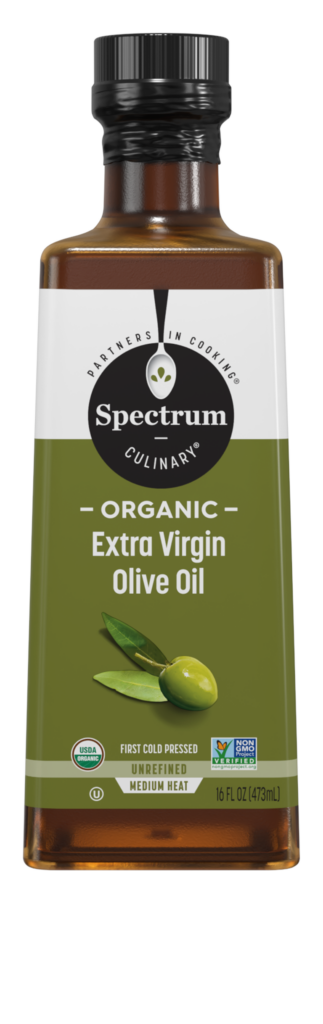
Take olive oil for example. When fresh-picked olives are cold pressed, there is a good deal of residual particulate that remains within the oil. These solids give the oil a cloudy appearance and lower the oil’s tolerance to heat. But these are also precisely what give olive oil its distinct flavor and healthy polyphenol (antioxidant) content.

Flax oil is something different entirely. While in the seed form, flax is a very stable commodity. But once the coating is removed and the oil pressed from it, flax oil becomes very fragile, breaking down rapidly when exposed to light, heat or oxygen. Any impurities left within the oil will only serve to speed the process further.

That’s why we triple filter our Flaxseed Oils —to remove particulates while preserving nutrients for a fresh, clean oil. So what about our “Fresh Nutty Taste” and “Extra Nutty Taste” Flax Oils? No, we haven’t left any impurities in the oil— our Flax Oil is always micro filtered. It’s not our style to leave dregs in a product we work so hard to produce. The added texture and fuller flavor come from fresh, clean ground flaxseed that has been added back into the oil for those who prefer a nuttier texture and taste.

Here are some bottom-line bullets to help you choose wisely:
  • For fragile Essential Fatty Acid (EFA) oils, the purer the better—even if you choose a richer texture. These oils are highly reactive and any residual particles from pressing will cause them to go rancid quite rapidly.
  • Choose oils that are filtered for purity.
  • If you prefer a nuttier taste and texture, choose higher particulate oils that have had fresh ground seeds added back in to filtered oil—never ones that only have particulate left from pressing.


  •